Content on this page requires a newer version of Adobe Flash Player.

Get Adobe Flash player


Search in the Encyclopedia

European water shrew

size:

up to 17 centimeters including tail

weight:

up to 25 grams

color:

black-gray with white belly on Texel: black

age:

up to 3 years

food:

worms, snails, aquatic animals

movement:

walking, swimming, climbing

enemies:

raptors, predator fish, other shrews

reproduction:

sexual: 1-2 times per year
pregnancy: 14-27 days
number: 3-15 young

  • Dut: waterspitsmuis
  • Eng: (European or northern) water shrew
  • Fre: crossope (musaraigne) aquatique
  • Ger: (Große) Wasserspitzmaus
  • Lat: Neomys fodiens
European water shrew, Ecomare

European water shrew

European water shrews are good at swimming, diving and climbing. They dig tunnels in banks, which is why they live in wet regions with lots of vegetation. European water shrews are on the Dutch Red List of threatened mammal species. Their population is declining because there are not many marshes with lots of vegetation around nowadays.

On Texel


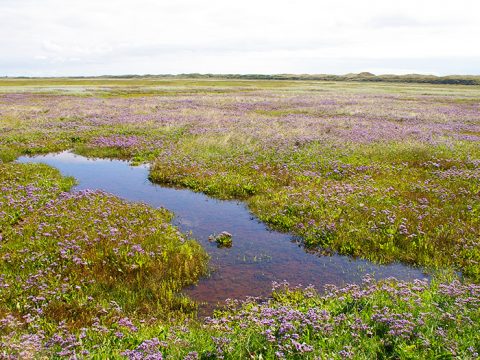
Texel is the only Wadden Island where European water shrews are found. The Texel species is smaller than the one found on the mainland and its fur is totally black. In addition to damp dune valleys and soggy polders, the water shrew also inhabits dryer terrains here. According to mammal experts, it is able to live in such areas because of the lack of competition from other shrews on Texel. However, since 2006 the greater white-toothed shrew has been discovered on Texel... bad news for the water shrews.