Content on this page requires a newer version of Adobe Flash Player.

Get Adobe Flash player


Sunset, Foto Fitis, www.fotofitis.nl

Climate and weather

Climate is the average weather situation calculated over a long period of time, usually thirty years. The present climate is warmer than it has been in a long time. The last time the climate was so warm or even warmer was during the Middle Ages. Water conditions in the sea, on land and in the air play a major role in developing the weather. Changes in the condition of the water over a longer period influences the climate.

  • Influence from oceans

    Weather conditions are very dependent upon the condition in the oceans. The warm Gulf Stream in the Atlantic Ocean produces a mild climate in Northwest Europe. Changes in the sea currents result in changes in the climate. One example is El Niño, off the coast of Peru. Once every three to eight years, this phenomenon disturbs weather patterns throughout the world for a longer period of time.

  • Weather on the Wadden Islands

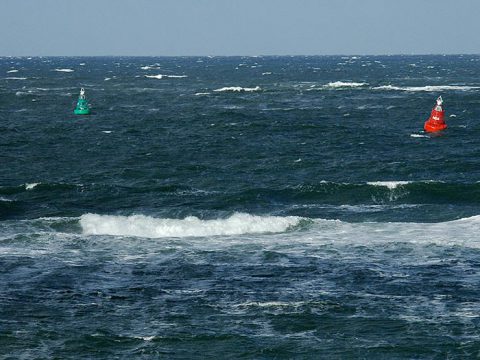
    The weather along the coast and on the Wadden Islands is often different from the weather more inland. The temperature is tempered by the seawater. The water from the North Sea warms up more slowly than the land in the spring. Therefore it isn't as warm in the summer along the coast, but in general there is less rainfall and the sun shines more often. In the fall, the coastal areas get more rain from sea. The seawater cools off more slowly in the autumn, whereby showers easily build up and fall on the coastal provinces. There is more chance of thundershowers than further inland.
    Business owners and tourist information services (such as VVV in the Netherlands) from the coastal townships and the Wadden Islands often complain that they lose potential tourists because weather predictions are mostly directed at inland regions. Therefore, a number of islands and coastal towns have opened weather sites and placed web cams so that people can see for themselves what the weather is like.