Paraffin is transported in tankers as bulk material. Candles are one of the products made from paraffin. Paraffin is also an element of raw oil and can stick to the walls of the tanks and in the pumping hoses. When cleaning the ships or the installations, remnants and cleansing agents are sometimes washed overboard.
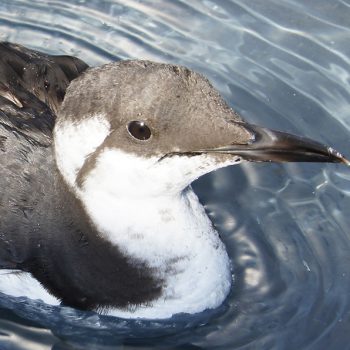
Seabirds become victims of the paraffin discharges.The symptoms are similar to damage from mineral oil. The plumage sticks together so that cold seawater reaches the skin. The birds can barely remain floating. They die from exhaustion or hypothermia. In addition, the clumps of paraffin often contain toxic solvents used to clean the ships.
Various accidents with paraffin have occurred in past years. The most recent incident was in 2007, when 4 cubic meters of paraffin washed ashore, spreading over the beaches between Egmond and Texel. The coast between Zandvoort and Petten was polluted in February 2000 by a discharge of a mixture of paraffin and heavy fuel oil. At the end of 1998, the beach of Goeree was seriously polluted with paraffin.
Paraffin has the same effect on birds as mineral oil: the plumage sticks together, allowing the cold seawater to penetrate to the skin. The birds are hardly able to stay afloat, and die from exhaustion and/or hypothermia.
In early 1995, a massive number of small yellow balls of badly smelling fat washed ashore on the coast of Texel, Vlieland and Ameland. The balls were as large as a pingpong ball and did not appear to be damaging to the environment. They were only directly cleaned up by Rijkswaterstaat on Vlieland. However, a few days later, tens of dead birds washed ashore on Ameland. They appeared to have died from internal infections after swallowing the paraffin-like material.
In February 1994, several hundred seabirds, particularly guillemots, died along the coast of North Holland from gastric haemorrhaging and intestinal problems. A number of birds were covered in an oily substance. The gastric haemorrhaging and intestinal problems were probably from using toxic dissolvents. In February 1993, thousands of seabirds died from similar symptons. At that time, there was no doubt that it concerned a large discharge of paraffin.
There are no regulations outside of the 12-mile zone for dumping paraffin. Up till 2004, the material was not considered dangerous. Since 2004, paraffin has been added to the International Maritime Organization's list of environmentally dangerous materials (the so-called Y-catergory from the MARPOL Treaty). Since then, the material can only be transported in double-hulled tankers. Paraffin is not yet on the list of materials that are generally banned from being discharged (the X-category).