Ecosystem goals for the North Sea
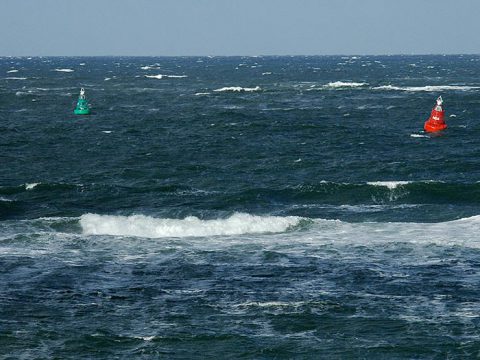
In order to protect nature at sea, you must know where the valuable nature is located, what the present quality of the nature is and what kind of quality is desired. Partly on behalf of the results of the nature policy and the spatial planning of the North Sea (see the Fifth Note Environmental Planning), this kind of knowledge has been brought together in the project 'Ecosystem goals for the North Sea'. One effect of these goals has led to the nature value chart for the Dutch section of the North Sea.
- Twelve goals
- Goal 1: Maintain natural dynamic processes
- Goal 3: Enlarge the estuarine character (particularly for delta regions)
- Goal 5: At most, take incidental action against algae blooms; preserve and where necessary restore natural diversity among the plankton
- Goal 6: Maintain and where necessary restore the diversity of the bottom fauna, including populations of long-living and slowly reproductive species
- Goal 7: Promote diversity of the fish fauna
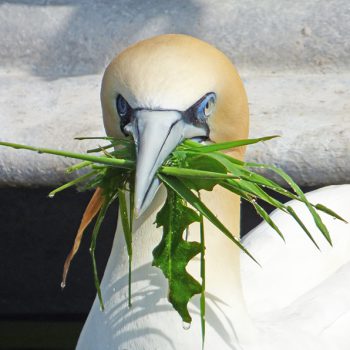
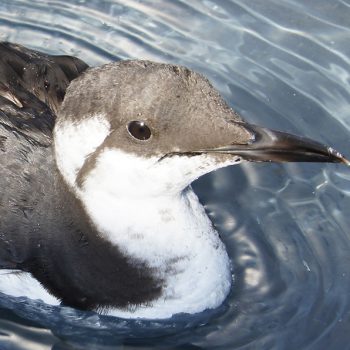
- Goal 8: Preserve and where necessary restore the living conditions for sea and coastal birds
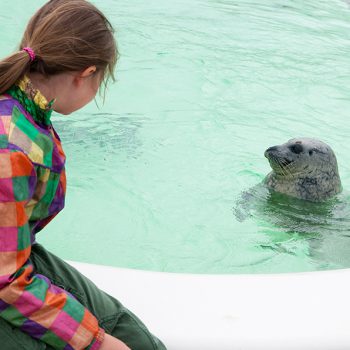
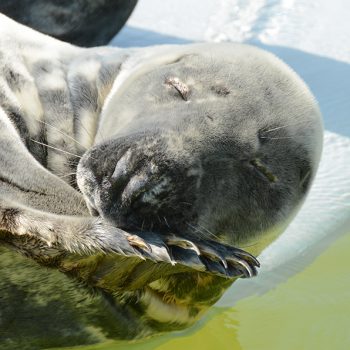
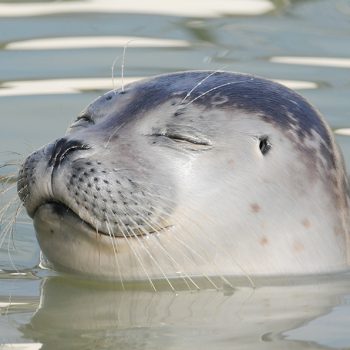
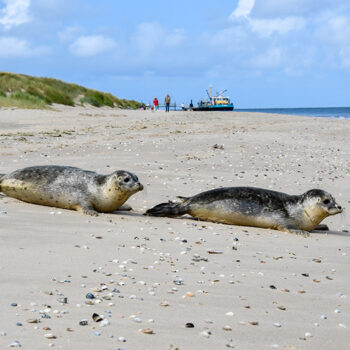
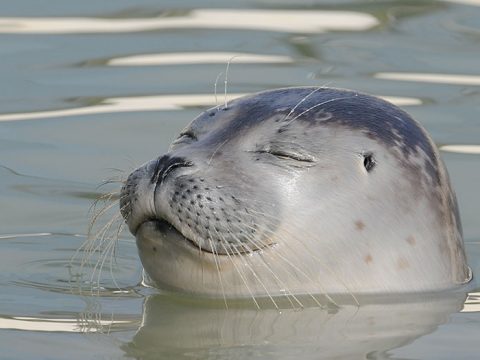
- Goal 9: Preserve and where necessary restore the living conditions for populations of marine mammals
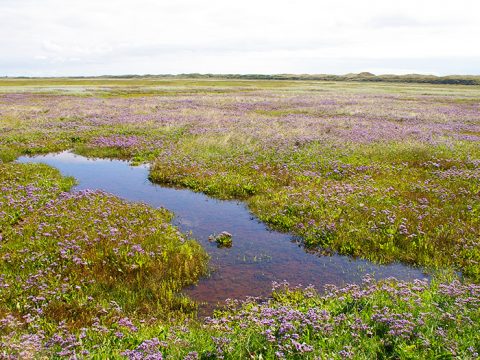
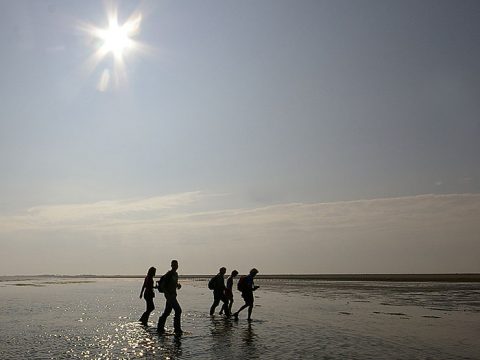
- Goal 10: Maintain the possibilities for experiencing the dynamics of the forces of nature, wind, water, sand and salt at the transitions from open water to dry coastal zones.
- Goal 11: Maintain the openness, splendour, quietness and obscurity; this holds true for the whole coastline in the north-south direction and perpendicular to the beach up to the line of visibilty ('clean horizon').
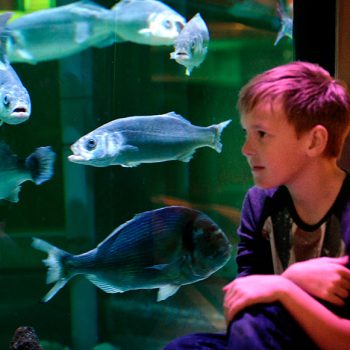
- Goal 12: Maintain and where necessary promote opportunities for being in the presence of various fauna, such as birds and fish
- Twelve goals
- Goal 1: Maintain natural dynamic processes
- Goal 3: Enlarge the estuarine character (particularly for delta regions)
- Goal 5: At most, take incidental action against algae blooms; preserve and where necessary restore natural diversity among the plankton
- Goal 6: Maintain and where necessary restore the diversity of the bottom fauna, including populations of long-living and slowly reproductive species
- Goal 7: Promote diversity of the fish fauna
- Goal 8: Preserve and where necessary restore the living conditions for sea and coastal birds
- Goal 9: Preserve and where necessary restore the living conditions for populations of marine mammals
- Goal 10: Maintain the possibilities for experiencing the dynamics of the forces of nature, wind, water, sand and salt at the transitions from open water to dry coastal zones.
- Goal 11: Maintain the openness, splendour, quietness and obscurity; this holds true for the whole coastline in the north-south direction and perpendicular to the beach up to the line of visibilty ('clean horizon').
- Goal 12: Maintain and where necessary promote opportunities for being in the presence of various fauna, such as birds and fish
See also
- Alexandrium
- Aquatic sports
- Beam-trawl fisheries
- By-catch
- Cockle fisheries
- Common dogwhelk
- Cut trough shell
- Dinophysis
- Drilling mud and cuttings
- Drilling platforms
- Environmental quality of the North Sea
- Eutrophication
- Fauna of the sea floor
- Fifth Note Environmental Planning
- Harmful algae
- Herring
- Introduction new species
- Lesser sandeel
- Maasvlakte
- Marine litter
- Marine mammals
- Military activities
- Nature value map North Sea
- Noctiluca scintillans
- Nurseries
- Nutrients
- Oil victims
- Overfishing
- Pacific oyster
- PCBs
- Phaeocystis
- Phytoplankton
- Polluton from offshore
- Porpoise
- Quahog
- Rays
- Recreation at sea
- Red whelk
- Sand extraction
- Sea currents
- Sea fish
- Seabirds
- Seals
- Sharks
- Shipping
- Standing rigging fisheries
- Thornback ray
- Tides and water levels
- Weevers
- Wind parks offshore
Info
Copyright Ecomare