Content on this page requires a newer version of Adobe Flash Player.

Get Adobe Flash player


Search in the Encyclopedia

Dieren en planten

Mens en Milieu

Nature policy   Marine Protected Areas   

Marine Protected Areas

They are also known as the nurseries of the North Sea: Marine Protected Areas. In these protected regions, fishing is not allowed. Marine life is able to develop in an undisturbed environment. By 2012, the Netherlands is required to designate protected areas in the North Sea according to European and global obligations. Directives have been set up by the EC and in the OSPAR treaty for selecting and managing these areas. As of 2012, these marine protected areas will be part of a worldwide network of nature regions and should help the fish populations to recover.

  • Protected areas in the North Sea

    In the Planning Note, the following five regions have been considered for protected areas with unusual ecological value: the coastal zone, the Frisian Front, the Central Oystergrounds, the Cleaverbank and the Doggersbank. This plan is being worked out further in the Management Plan North Sea 2015. In 2008, the minister for Nature started the procedure for designating four protected areas in the North Sea: the North Sea coastal zone north of Bergen, the Vlakte van Raan in the mouth of the Westerschelde, the Doggersbank and the Cleaverbank. In total, more than 741,000 hectares.
    The four areas have been tentatively presented to the European Commission, who will determine which activities will and will not be allowed. The Frisian Front and the coastal zone between Bergen and Petten will also be designated as Bird Directive regions. This directive focuses on the protection of bird species and overlaps the Habitat Directive in the North Sea coastal zone.

  • Lobby

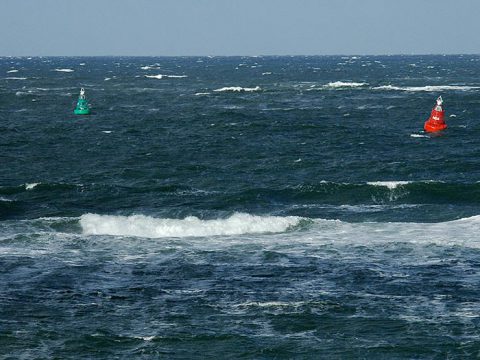
    Greenpeace wants the protected areas to come as quickly as possible and to designate a total of 40% of the North Sea as nature reserve. They want sustainable management enforced in the remaining 60%. During a campaign in August 2004, the lobbyists symbolically closed off the Doggersbank with buoys. In this way, they tried to obstruct the fishermen from fishing. Greenpeace also we into action in August 2008. Their goal was to attract attention to the slow establishment of sea reservations according to the Natura 2000 Directive. They dumped 323 large blocks of granite on the Sylter Outer Reef. This area off the coast of Sylt has been designated by the Germans as a marine protected area. The fishermen were furious over the work of Greenpeace.

    Ben Daalder (then chairman of the Federation of Fishery Organizations) called the action improper and felonious. He pointed out the responsibility the fishery sector has taken in the area of sustainability and the many projects they are involved in. For example, there is now a 'social covenant North Sea fisheries' between fishermen, the World Wildlife Foundation and the North Sea Foundation, in which they have agreed to work together on making the fisheries more sustainable. Even the Minister for Nature and Fisheries Gerda Verburg judged the action sharply.