Content on this page requires a newer version of Adobe Flash Player.

Get Adobe Flash player


Search in the Encyclopedia

Dieren en planten

Water en land

Mens en Milieu

Regulations   Cutting sods   
Bottom after cutting sods, Ecomare

Cutting sods

Cutting sods is removing the upper nutrient-rich layer of the ground. In this way, plants which prefer nutrient-poor environments get a chance to grow. Presently, there are lots of areas enriched with nutrients, whereby environments with nutrient-poor circumstances are disappearing while it is these poor environments that are much richer in species. Cutting sods is actually a dramatic form of mowing and removal; results are seen more quickly. Sods are also removed in order to bring the ground surface closer to the ground water, creating a damp situation in the nature area. Cutting sods takes place a lot in heath fields and dune regions.

  • Erosion
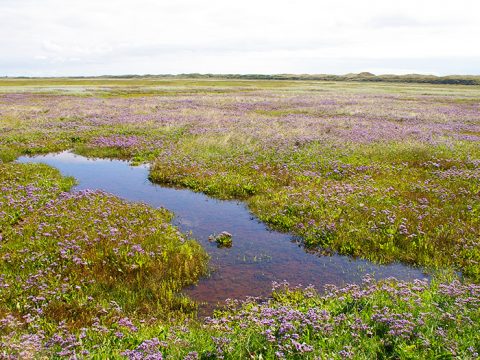
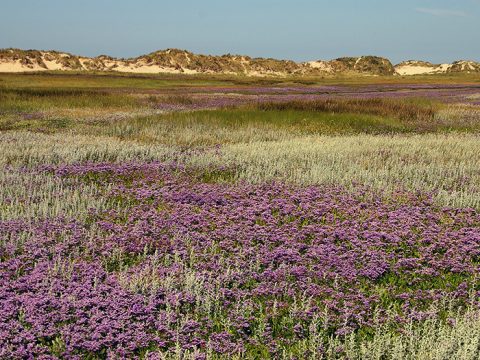
    Species-rich grassland after cutting sods, Photograph by Marike van der Paauw

    Supporters see cutting sods as a 'drastic form of mowing and removal'; opponents, such as soil biologist Pim Jungerius, speak of "an abrupt form of ground erosion, including... degradation of the soil ecosystem". Areas where the sods are continually cut can show signs of soil erosion similar to dozens of years of natural erosion. In addition, heather is a century-old landscape with old trails and paths, which are destroyed when sods are cut. And furthermore, studies show that cutting sods has an unfavorable effect on the bottom fauna.