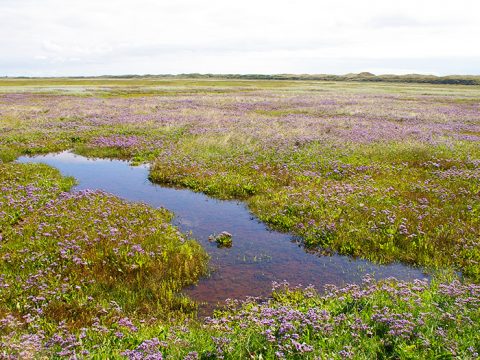
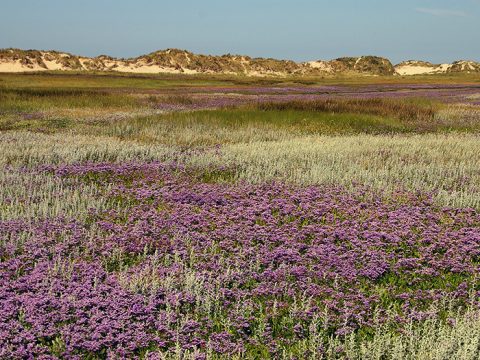
When you are a guest in the Wadden Sea region, our last Dutch wilderness, it is a good idea to dwell for a moment on a few of the rules of conduct. This is in order for you to enjoy the experience of freedom and space as well as to give others the same chance. But mostly to prevent more limited regulations from coming.
in general...
1 A short visit or a longer stay in the Wadden Sea region does not have to be a problem for nature, even in the long range, when you do not leave any traces behind. Rules for admission to nature reserves on the islands have not been made for the show: respect these rules! They already have been limited to a minimum. This is how you can cooperate with preserving the Wadden tranquillity.
2 In the quiet of the Wad, noise carries very far, including disturbing noises. Think of shouting, radios, as well as motors (not just from jet fighters!).
3 Feel responsible for your guests and/or crew. Disturbances are often caused by ignorance: others can point this out to you in a friendly manner. You are also responsible for your pet(s): one dog on the loose can disturb the meal for thousands of birds.
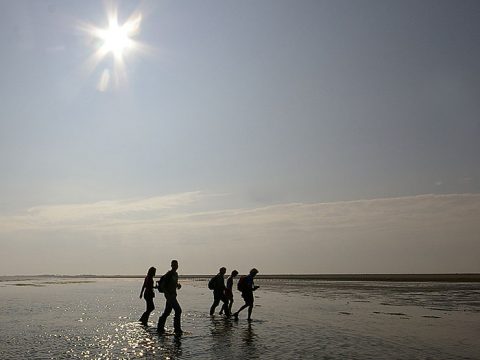
4 A safe journey (by boat or foot) demands a fair knowledge of such things as weather conditions, tides and navigation. Therefore, never take off randomly, whether in a boat or hiking the flats. This is dangerous
5 Do not perform boat maintenance on the flats; do it on shore, preferably using environmentally friendly methods. In most harbours, there is a waste station where you can turn in your bilge water, oil and household wastes.
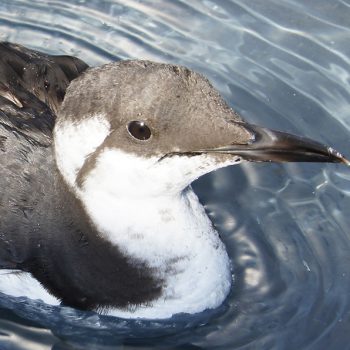
6 Grant birds of the tidal flats their own space: especially when they are breeding, foraging or resting on a high tide refuge. A simple rule is: use the existing network of routes and the work paths of the managers.
and at sea and on sandbanks:
7 In order to minimize disturbance while resting during ebb, the following instructions are valid:
do not let your boat beach at places where many birds forage
(for example, in the vicinity of mussel banks);
stay as close as possible to the channels;
also stay in the vicinity of the beached vessel;
do not use any motor force in leaving the sandbank.
8 Do not forget about 'rump velocity', motor racket and fuel consumption. When you are motoring, do not produce high stern-waves. Ride as a sailboat: fitting to the character of the weather and surroundings
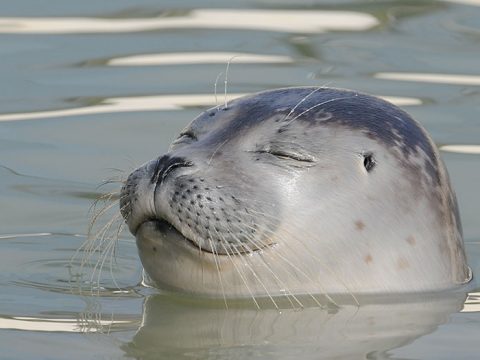
9 Based upon the Nature Protection Act, less than 10% of the Wadden Sea is (temporarily) closed for people. Respect these closed regions: this is the only place where seals and birds still have the opportunity to rest and forage in peace.
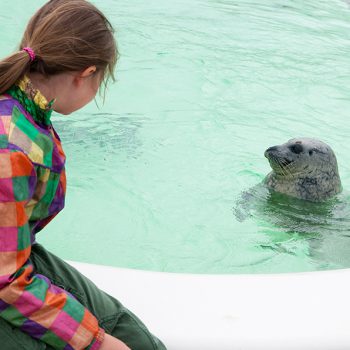
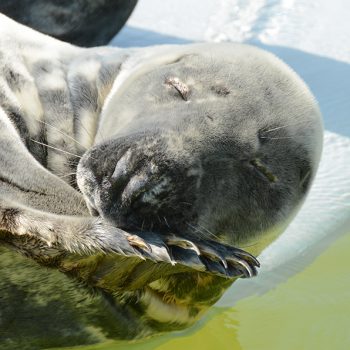
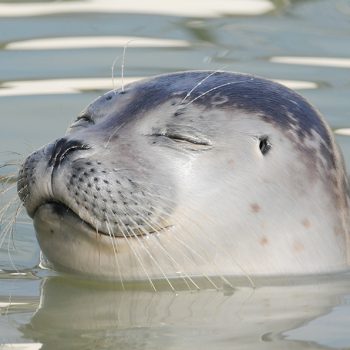
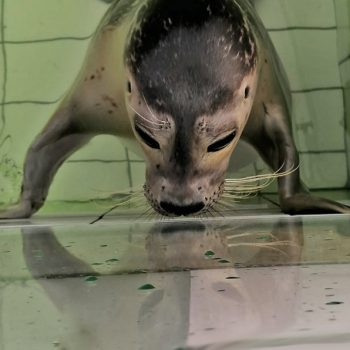
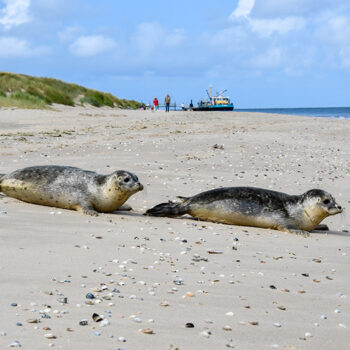
10 Stay away from seals on the banks as much as possible. During nursing season, seals are very sensitive to disturbances. For harbour seals, this period is June-September; for grey seals, the winter months. In addition, seals need to rest when they shed in the summer; they, too, deserve a vacation time.
The conduct code has been derived from the Regulations for Inland Navigation for Police, the Town Ordinance for the Wadden Sea region, the provincial Wadloop ('Wad hike') Regulation, the Nature Protection Act and the Provincial Environmental Ordinance.