Small animals are eaten by larger animals and these, in turn, are eaten by even larger animals. Dead plants and animals and excretions are food for the scavengers in nature, which finally break down the biomasses into elementary building materials. This series of eat and be eaten is called the food chain or food pyramid.
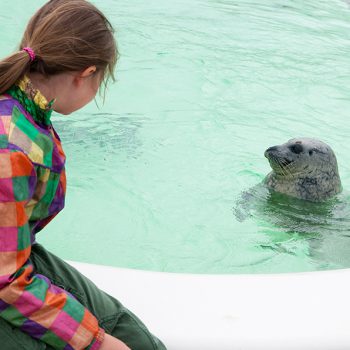
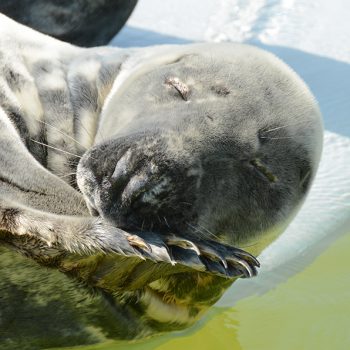
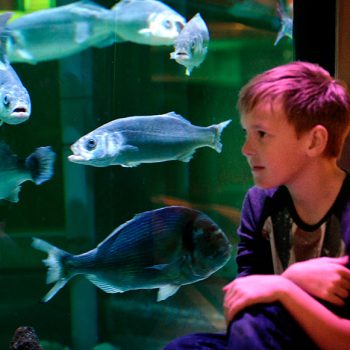
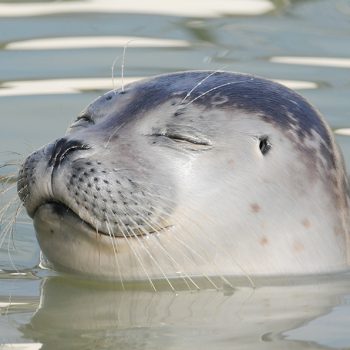
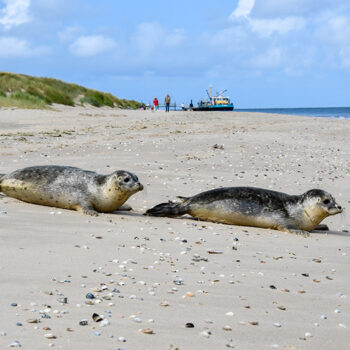
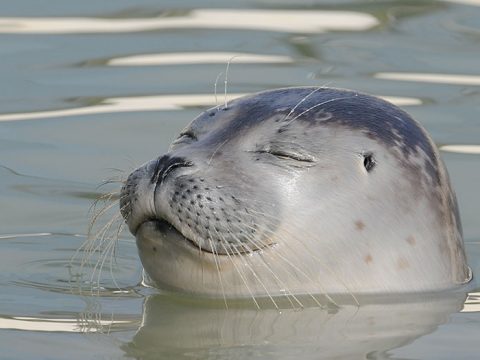
Phytoplankton form the basis of the food chain in the sea. Phytoplankton are microscopically small plants. They float around in the water, taking in a number of elementary building materials, and grow with the help of sunlight. Phytoplankton is consumed by the (floating) zooplankton. This animal plankton is food for small fish, such as lesser sandeel. Larger predator fish (cod) eat the smaller fish. On the top of the food chain in sea are the species which are capable of catching the large predator fish: seals, large dolphins and people.
Dead plants and animals are eaten by the scavengers (starfish, crabs, shrimp) and the biodegraders (moulds and bacteria). The degraders convert the biomass into elementary nutrients for the phytoplankton and the algae and seaweed.
In coastal regins, the water is so shallow that the sun rays easily reach the bottom of the sea. This is also where phytoplankton grows on the bottom and benthic fauna can forage on these plants. Shellfish such as mussels and cockles filter the water and sift out the phytoplankton. The benthic fauna, in turn, is eaten by the flatfish and tidal flat birds. Seals and people are also at the top of this chain because they eat lots of flatfish.
Some materials, such as insecticides, can accumulate in the food chain. This process is called bio-accumulation.