Content on this page requires a newer version of Adobe Flash Player.

Get Adobe Flash player


Search in the Encyclopedia
Turnstone, Jeroen Reneerkens

Beach fauna

The actual sandy beach is a miserable place for animals to live. Only a few species of invertebrates, such as sand-hoppers, gammarids, the isopod Eurydice pulchra and the tube-worm Nerine cirratulus, are capable of continually withstanding the often severe conditions. A number of specialized insects live on the higher reaches of the beach: beach flies and several beetles (carrion-beetles and darkling beetles). The really rich animal life begins just next to the beach - in the coastal water. The shells on the beach are proof of this fact.

  • Breakwaters

    On the dikes and breakwaters, it often swarms with barnacles, mussel banks, starfish, slaters, snails, crabs and sea anemones. Shellfish, snails, fish and all kinds of other marine animals live in the coastal waters.The rich food supply on the breakwaters and in the coastal water is the reason why one always sees birds on the beach. It is usually gulls and terns in the summer, however there are sometimes also ringed plovers or Kentish plovers. In the winter, the summer when the summer guests have departed, other species then arrive, such as sanderlings.

  • Life under foot: animals between the sand grains
    Microscope picture of meiofauna, Suzanne Holtman

    If you could dive into the sand, you would meet a completely different, microscopic world: the meiofauna, animals that live in the water-filled caverns and tunnels between the sand grains. These animals are extremely small, no lager than two millimeters. They belong to very different animal groups and graze on bacteria and algae on the sand grains, feed on detritus (dead organic material) or attack other tiny sand inhabitants. They have a number of similar characteristics: a long thin body, with which they can easily climb and twist between the sand grains, and tiny grasping organs to cling onto the sand. In the tidal zone, a million animals can live just below a square meter of sand, weighing no more than a total of two grams.

  • Beach mammals

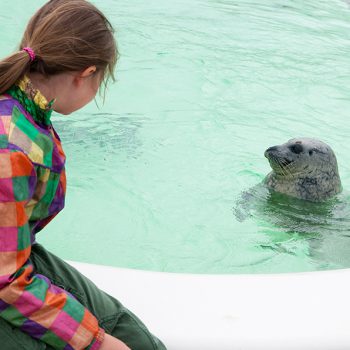
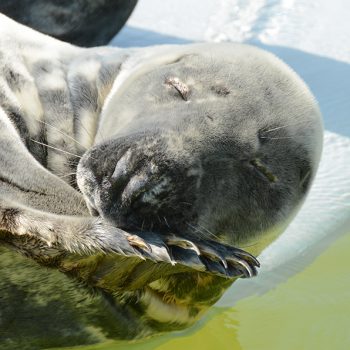
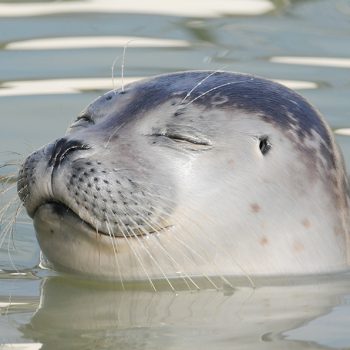
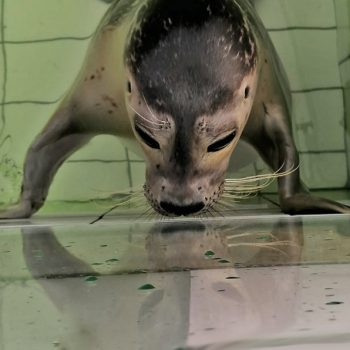
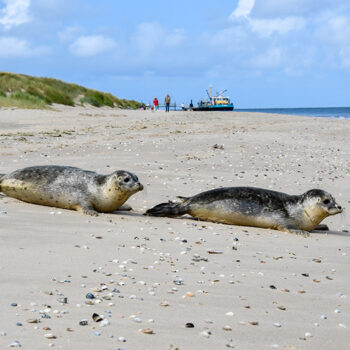
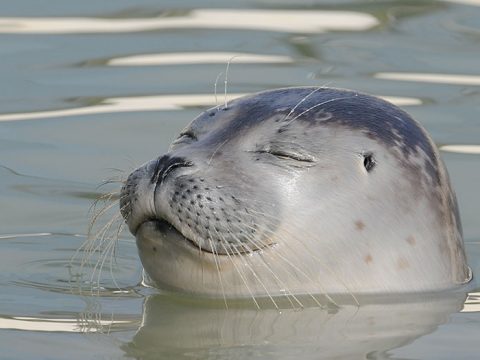
    One does not often see mammals on the beach (with the exception of people, dogs and sometimes horses, of course). Seals usually hunt in coastal waters but choose quiet tidal flats to go on land. Porpoises and white-beaked dolphins sometimes wash ashore, still alive. There are always sick animals or those that have lost their way which wash ashore, since healthy endemic cetaceans avoid shallow coastal waters.