The fox was always considered the major enemy of meadow birds, such as godwits. But studies have shown this not to be true. There is a whole series of other predators that threaten the eggs and chicks of meadow birds. Eggs are stolen by stone martens, stoats, hedgehogs, polecats and birds such as crows, hawks, buzzards, oystercatchers and marsh harriers.
When there are lots of meadow birds, they can nest close together and protect each other from predators. With a lower population of birds, it is easier for predators to steal the eggs or chicks. Another hypothesis says that since there are fewer meadow birds, the birds are spreading more out in order to make it more difficult for the fox to find them.
Man's love for meadow birds sometimes means retaliation against birds of prey. In 2005, at least 635 nests of predator birds in the Netherlands were 'disrupted' by bird-lovers.
A number of regulations have been applied in the Frisian town Grootegast. To give predators less chance, trees and bushes used as lookout have been removed. In addition, silage stacks are covered in the winter to keep away crows. The nests can be given an odor. Cat owners are requested to keep their pets inside during nesting season.
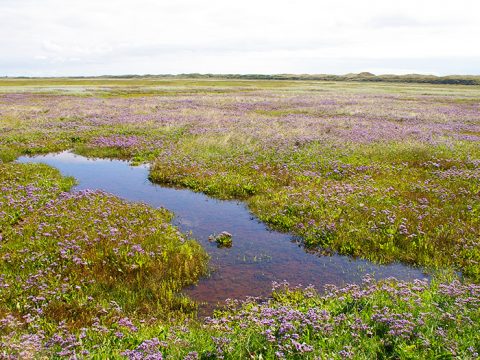
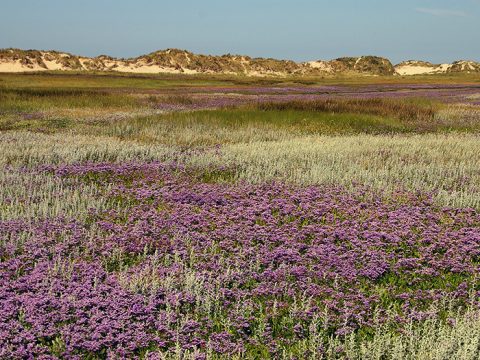
According to researchers, in order to protect godwits and other meadow birds, a number of central areas must be developed where old-fashion farming takes place. This means a higher water level, cows in the fields and flower-rich haylands and pastures.
The Ministry for Agriculture and Nature (LNV) develops active policy in relationship to the number of meadow birds that should be able to live in the Netherlands. All experts are united in a meadow bird network of knowledge. The minister wants to reserve around 30,000 hectare for the most threatened species, such as the ruff. Even more land will be reserved for 'critical species' such as the godwit: from 100,000 hectare in 2007 to 250,000 hectare in the future. By 2010, the meadow bird population must no longer decline. The Minister wants to shift the accent of meadow bird protection within a few years from nest protection to mozaik management, whereby strokes of grass are left unmowed. The young birds will have more chance to grow up safely in the longer grass and there will be more insects available to serve as food.