Content on this page requires a newer version of Adobe Flash Player.

Get Adobe Flash player


Search in the Encyclopedia

Dieren en planten

Plants   Sundew family   Common sundew   Oblong-leaved sundew   Dune flora   

Water en land

Mens en Milieu

Common sundew

size:

plant: 5 to 30 centimeters
flower: 5 millimeters

color:

flowers: white
leaves: green to brown-red

blossoms:

June through August

pollination:

self-pollination, wind

reproduction:

very fine seeds, spread by wind

life span:

perennial

  • Dut: Ronde Zonnedauw
  • Lat: Drosera rotundifolia
  • Eng: Common Sundew, Round-leaved sundew
  • Fren: Rossolis a feuilles rondes
  • Ger: Rundblättriger Sonnentau
  • Dan: Rundbladet soldug
Common sundew, foto fitis, sytske dijksen

Common sundew

Common sundew is a rare 'meat-eating' plant, which catches insects with its sticky hairs. The insects are used as a source of nitrogen and minerals. Because of its round leaves, it is also called round-leaved sundew. The rosette of leaves often lay practically flat on the ground, compared to the oblong-leaved sundew. In addition, the stems of the leaves are covered with short hairs.

  • Distribution and habitat
    Common sundew, foto fitis, sytske dijksen

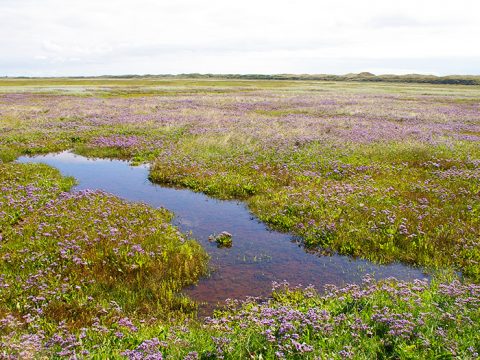
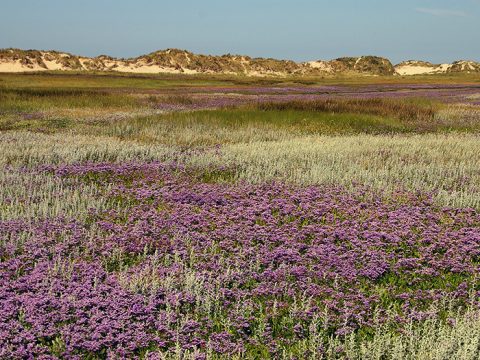
    You find common sundew in the dunes in several calcium-poor dune valleys. You find this species of sundew more often on the Wadden Islands than oblong-leaved sundew, and often among bog-moss. It is the most common sundew species in the Netherlands, growing on peat-moor, peat-bog, wet heaths and sometimes in boggy grasslands. It has suffered heavily from reclamation and dehydration. Common sundew is legally protected.