Content on this page requires a newer version of Adobe Flash Player.

Get Adobe Flash player


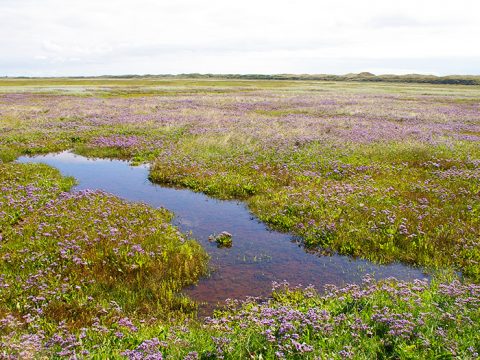
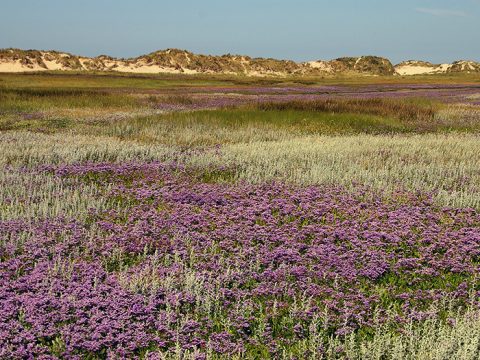
Brackish water flora, with salicorn and Annual Seablite, Foto Fitis, www.fotofitis.nl

Vegetations

Many plants only grow in specific areas. You only find plankton in water, salicorn on salt marshes and marram grass in dunes. All of the plant species found in these areas make up the vegetation. Factors such as the type of soil, the amount of nutrients, the amount of sunlight etc determine which species will survive in a specific vegetation.

     
marine floraflora of the tidal flatssalt marsh flora
Phytoplankton
Seaweed
Sea floor flora
more...
Bladder wrack
Gutweed
Eelgrass
more...
Salicornia
Sea lavender
Sea wormwood

more...
beach floraharbor floraflora on sea dikes
Sand couch
Sea rocket
Sea sandwort

more...
Japanese sargussum
Sea lettuce
Phytoplankton

more...
Seakale
Gutweed
Lichens
more...
dune florafreshwater floragrassland flora

Elderberry
Dune pansy
Marram grass

more...

Reed
Bog-moss
Triangular club-rush
more...
Orchids
Yellow rattle
Ragged Robin
more...
     
  • Living on the edge

    There are species of plants that live on the border between two areas, a place which is not suitable for many other species. Life can be very difficult here but competition is low. Flood marks at the foot of dunes are an example. Both nutrients and fresh water are available, however flood marks can flood with salty water, which most plants don't tolerate. The yellow-horned poppy is one of the species found on this edge.

    Sometimes, you find a plant that seems to be growing in bare sand. However, there must be a hidden layer of nutrients under the surface, providing the necessary food. A flood mark that has been covered by sand or caught between stones on a dike is a good base for some plants to germiniate, such as sea bindweed, sea sandwort and sea holly.