In 1930, Mr. Kraai, a teacher in Den Burg, was the founder of the Texels Museum. The collection contained natural historical, geological and archaeological objects. That year attracted 2000 visitors to the museum.
In the years prior to and during the Second World War, Herman van der Horst was director of the museum on Texel. He made his first two documentaries: a film Texel, parel der waddeneilanden ("Texel, pearl of the Wadden Islands") and a film on the sheep farming on Texel. After the war, when van der Horst returned to the mainland, he became one of the most prominent film-makers in the Netherlands.
The old Texels Museum was outgrowing its walls and moved shortly after the war to a wooden barrack in the woods of Texel.
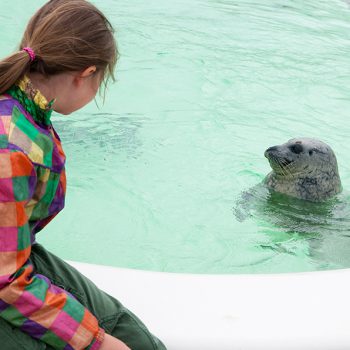
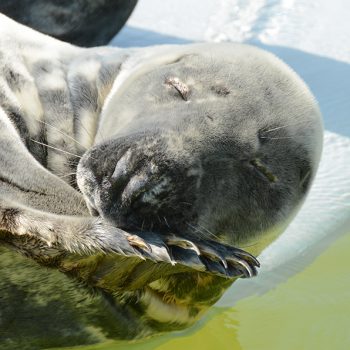
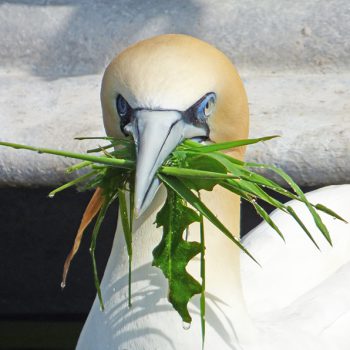
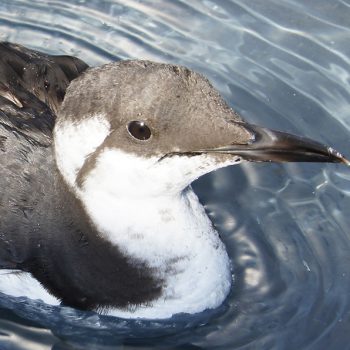
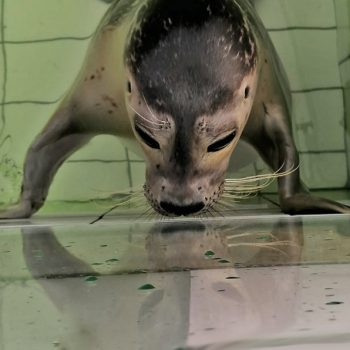
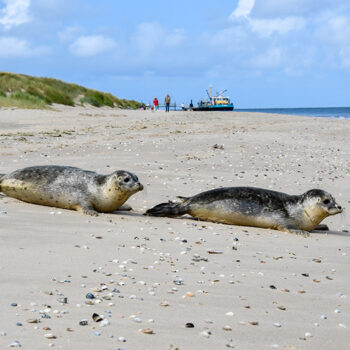
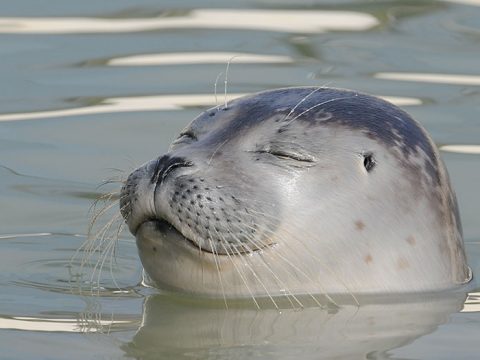
In the 1950s, the director-couple de Haan began taking in young and sick seals. In an ever growing rate, wounded or weakened seabirds were also taken in at the museum.
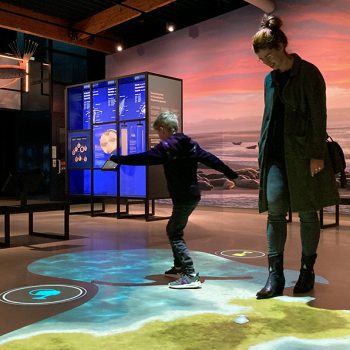
In 1975, the Texels Museum moved to its present location near De Koog, on the edge of the Dune Park that had been established in honour of the nature conservationist pioneer Jac. P. Thijsse. Under the umbrella of the Texels Museum, the State Forestry, the nature group IVN, the Society for Nature and Environmental Education and the Society for the Promotion of Nature Reserves all bundled their energy in creating a completely new museum. In addition to displaying natural historical collections, the goal was enlarged with providing information to tourist on the nature found on Texel. The museum thereby became a visitors center
In the mid 1980s, the course was once again revised. The primary goal changed to delivering a contribution to the preservation and recovery of the quality in the wadden region and the North Sea, particularly via the provision of specific information. The center was renamed Ecomare, center for Wadden and North Sea.
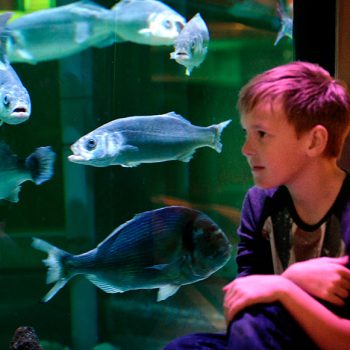
In the meantime, Ecomare has been hosting an average of 300,000 visitors yearly since 1998. The greatest number are tourists and Texelaars looking for an educational daytrip. However, schools and other groups also contribute a significant part to the number of visitors.