Content on this page requires a newer version of Adobe Flash Player.

Get Adobe Flash player


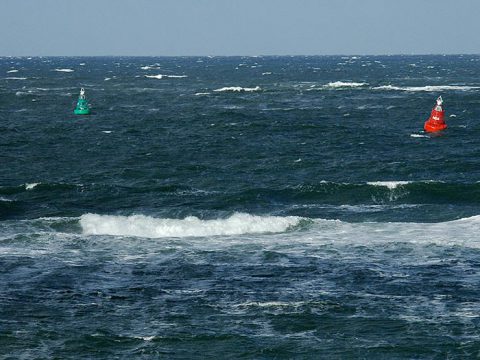
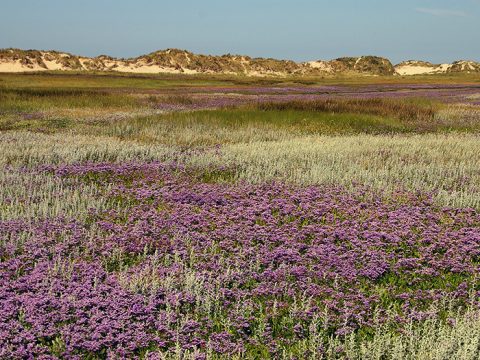
Helgoland, Photo Firewarrior, via www.flickr.com

Helgoland

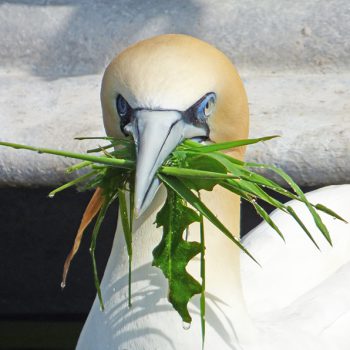
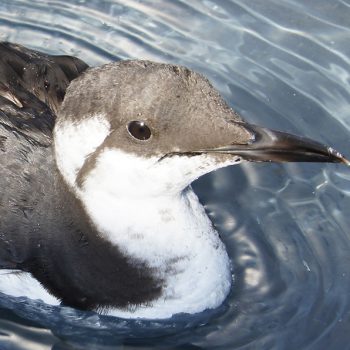
While the entire wadden coast is lined with sandy islands, around 70 kilometers from the mouth of the Elbe and 45 kilometers west of Eiderstedt rises a 60-meter high red rock out of the North Sea. Dunes have formed close by the rock, on remains of other rocks. Because Helgoland is the only rock island in the southern North Sea, it offers ideal nesting opportunites for many seabirds. Thousands of guillemots breed here every year. Kittewakes, thick-billed murres, auks and since recently gannets raise their young on the ridges of the red rocks. This island was considered extraordinary already in the prehistory, and therefore the name 'holy land' (Helgoland).

  • Steep cliffs

    The steep cliff consists of detached pillars of rock (such as the Lange Anna - 'long Anne'), protrusions, bridges, cliffs, narrow gorges (chimneys) and holes in the rocks created by the surf. Seabirds use the rising air in the chimneys as a lift. The southwestern side of the island is protected by a dam, so that it no longer is damaged by the North Sea. The North Sea has free-play on the northwestern side. Since 1940, only 10% of the 7.7-kilometer long coast is directly exposed to the sea.
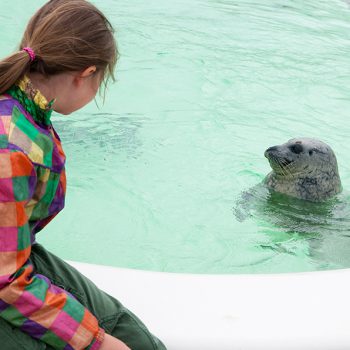
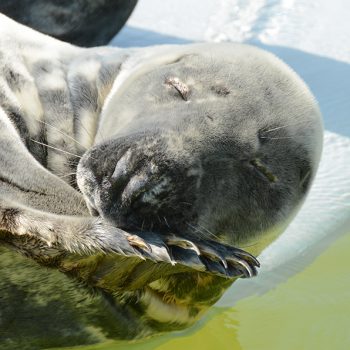
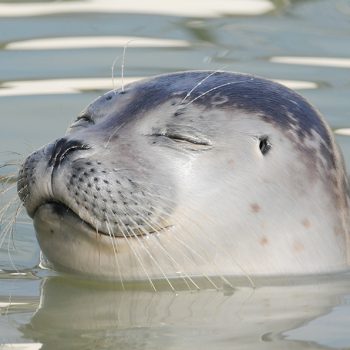
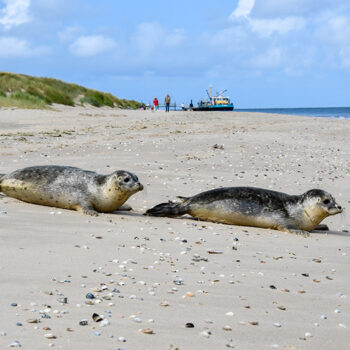
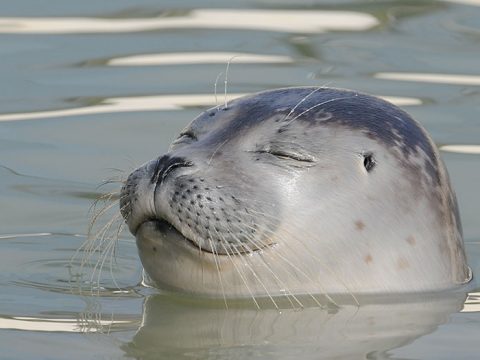
    In the meantime, gravel slopes have formed in some places because the eroded rock debris is no longer removed by the surf. The numerous cormorants dry their wings in the sun and wind on the long pier on the north side of the island. The dunes provide a resting place for terns and seals.

  • Flora and fauna

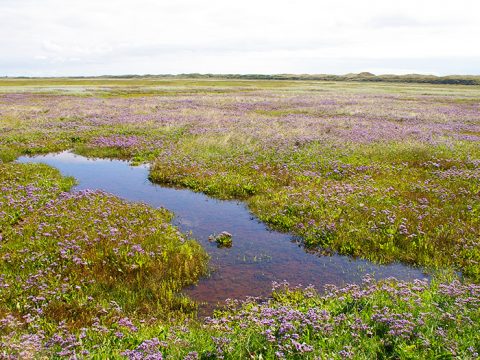
    Thanks to the unusual position and the rocky underground, the flora on Helgoland resembles that found in the Atlantic region. Examples are Bryony, Ray's knot grass, Babington's Orache, 'klippen' cabbage (the precursor of all cabbage species eaten today), seakale, sea holly and yellow-horned poppy. One of the few old trees on the high part of the island is an almost 200 year-old black mulberry tree. The Helgoland house mouse (mus domesticus helgolandicus) is unusual, being found only on the island and having fur the same red color as the rocks. This is a true island species.