Content on this page requires a newer version of Adobe Flash Player.

Get Adobe Flash player


Search in the Encyclopedia

Habitation on Helgoland

Helgoland has always had a mystical significance. Many myths about Helgoland and the rare archaeological finds from the island are evidence that people in earlier times were also impressed with the tall rocky coasts. One example found are the copper disks with a diameter of a half meter, dating back around 1000 years. The northern part of the island was probably a good copper mine for a much longer period of time (since the bronze age).

  • Graves, pirates and treasures

    Even the graves found on the high part of the island, which unfortunately have disappeared, are evidence of prehistoric inhabitance.
    The famous North Sea pirate Klauw Störtebeker found a suitable hiding place on Helgoland. Just like in other pirate stories, some people still hope to find the legendary gold treasure. Störtebeker was captured by a Hanze ship with a Dutch captain and landed on the scaffold in Hamburg.

  • Fantasy-rich recipes

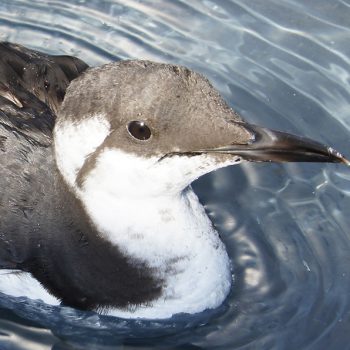
    The many unusual sea recipes from the Helgolanders show that a varied food supply on the island was not always available. Consequently, the recipes became even more imaginative. Not only did they eat lobster, but they also ate periwinkels. Seabirds were hunted intensely for consumption: the flavor of guillimots is described as 'greenlands', meaning that it tasted like oily, fishy whale oil. On the contrary, kittiwake paté seems to have been tasty. For dessert, there was pudding thickened with coral weed and 'Helgolander Egg grog' was brewed as appetizer.

  • Bombings

    In 1938, the Nazis built a submarine bunker on the east side of the island. In order to build the bunker, the low part of the island was greatly extended. Due to this bunker, Helgoland was a favorite target to bomb in the Second World War. However, the greatest human intervention occurred on April 18 1947. The Allies wanted to blow up the island (an important Navy support and symbol since the German National Anthem originated here) with the help of more than 6000 tons of ammunition. The cliffs held, although the rocks on the south point dropped down a level. A spa is now located on this medium high plateau.

  • Graves, pirates and treasures

    Even the graves found on the high part of the island, which unfortunately have disappeared, are evidence of prehistoric inhabitance.
    The famous North Sea pirate Klauw Störtebeker found a suitable hiding place on Helgoland. Just like in other pirate stories, some people still hope to find the legendary gold treasure. Störtebeker was captured by a Hanze ship with a Dutch captain and landed on the scaffold in Hamburg.

  • Fantasy-rich recipes

    The many unusual sea recipes from the Helgolanders show that a varied food supply on the island was not always available. Consequently, the recipes became even more imaginative. Not only did they eat lobster, but they also ate periwinkels. Seabirds were hunted intensely for consumption: the flavor of guillimots is described as 'greenlands', meaning that it tasted like oily, fishy whale oil. On the contrary, kittiwake paté seems to have been tasty. For dessert, there was pudding thickened with coral weed and 'Helgolander Egg grog' was brewed as appetizer.

  • Bombings

    In 1938, the Nazis built a submarine bunker on the east side of the island. In order to build the bunker, the low part of the island was greatly extended. Due to this bunker, Helgoland was a favorite target to bomb in the Second World War. However, the greatest human intervention occurred on April 18 1947. The Allies wanted to blow up the island (an important Navy support and symbol since the German National Anthem originated here) with the help of more than 6000 tons of ammunition. The cliffs held, although the rocks on the south point dropped down a level. A spa is now located on this medium high plateau.