Content on this page requires a newer version of Adobe Flash Player.

Get Adobe Flash player


Search in the Encyclopedia
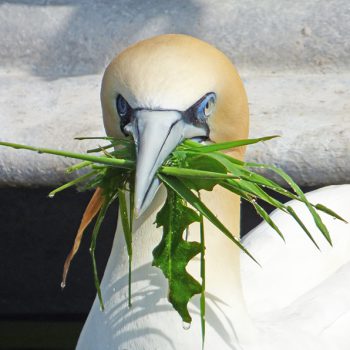
Kittiwakes, Marijke de Boer

Central Oystergrounds

The Central Oystergrounds thanks its name to the extensive oyster banks found here up till the end of the 19th century. Due to fisheries and disease, these banks eventually disappeared.

  • A peaceful sea
    Sea potatoe, detail, foto fitis, sytske dijksen

    The Oystergrounds form a relatively deep (40-50 meters) basin between the higher lying sandy bottoms of the Southern Bight in the south and east and the Doggersbank in the north. The sea currents are weak so that many mud-rich material sinks to the bottom. The water column is layer in the summer: warm, algae-rich water floats above and only mixes with the lower water layers when the sea is in motion in the autumn.
    There are many different species of benthic animals here, but not in huge numbers. Major species on the Oystergrounds include the brittle star Amphiura filiformis, callianassa, white furrow shells and sea potatoes. Reported rarities are the black mussel (Musculus niger), the Mysia undata and the Thracia convexa. Long-living benthic animals such as the quahog and the red whelk are still relatively common on the Oystergrounds.
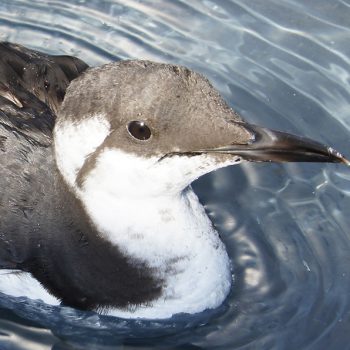
    In the winter, the Oystergrounds is an important foraging area for fulmars, kittiwakes, auks, guillemots, herring gulls and great black-backed gulls.