Content on this page requires a newer version of Adobe Flash Player.

Get Adobe Flash player


Wadden Sea region

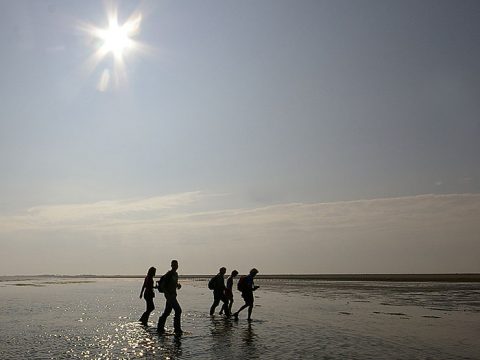
The wadden region extends from Den Helder in the Netherlands via Germany to the Danish peninsula Skallingen. In total, it is more than 500 kilometers long and 310,000 hectare large. It is almost as large as the entire province of South-Holland. The area consists of around 30% of the Dutch, 20% of the Danish and 60% of the German coasts and includes around 50 islands and large sandbanks. The area is unique because large areas are exposed during low tide. That requires a unique flora and fauna. This is the reason why the outer dike areas of the wadden region have been granted a World Heritage status.

  • Plants and animals

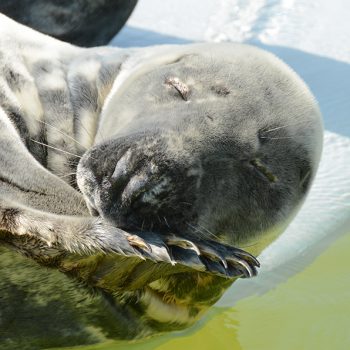
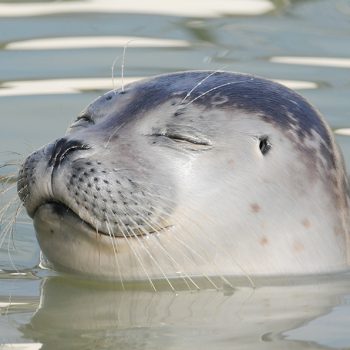
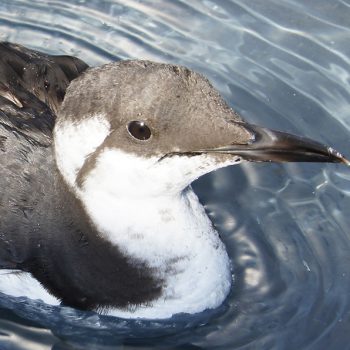
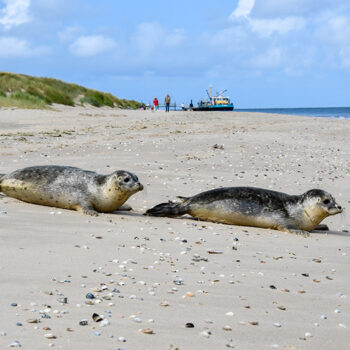
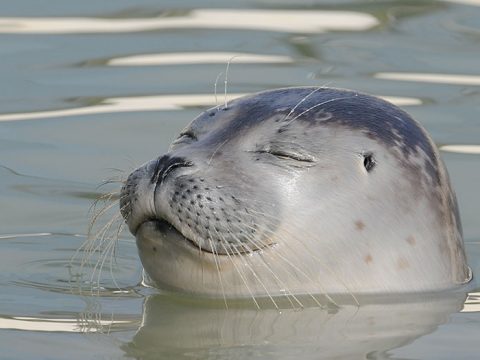
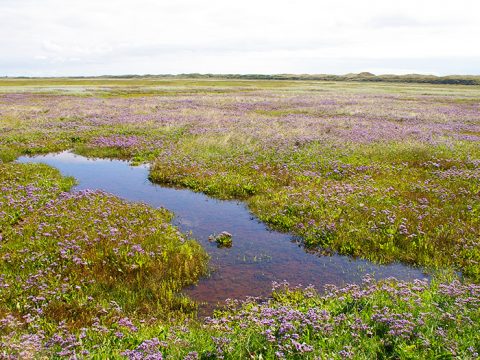
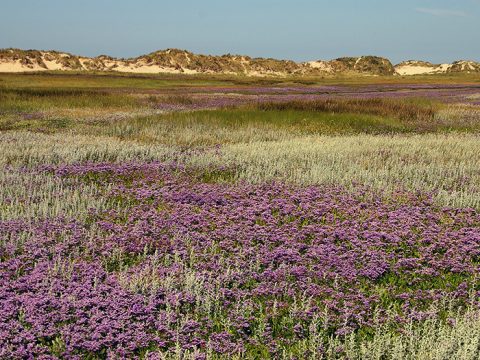
    Do you want to see lots of different plants and animals? Then the wadden region is the place to be. Thousands of species live here, every season is different. Seals lounge on the sandbanks, millions of migrating birds fly through and salt marshes turn purple from the sea lavender growing there. Some plants and animals in the wadden region are slightly different to their species found elsewhere in the Netherlands, Germany or Denmark. For example, the Eurasian water shrew on Texel. This mouse is much smaller than water shrews found on the mainland and even has a different color.

  • The formation of the wadden region

    Just like a large part of the Netherlands, the wadden region was formed by various glacial and warmer interglacial periods. Each glacial period changed the appearance of the region. The wadden region as we know it today only took shape since ten thousand years ago, when the ice from the last glacial period began to melt. Because the North Sea was almost totally dry, the wind blew tremendous amounts of sand in the direction of the Dutch, German and Danish coast. This formed a long virtually unbroken row of dunes.

    Large bogs of peat lay behind these dunes, protected by the wall of dunes. The seawater continued to rise as the ice melted and regularly rammed these coastal dunes with great force. Slowly but surely, openings cut through the dunes and the water began to erode the peat bogs.

    During storms, large parts of bogs were washed away. Channels formed a path for the seawater to follow. During the following thousands of years, storms were responsible for widening and lengthening the channels, until they eventually crossed paths. Slowly but surely, a sea formed behind the long row of dune islands: the Wadden Sea.

  • With a little help from man

    The wadden region took thousands of years to look like it does today. Nature did most of the work. However, people have also played a major role and are still doing that to this very day.

    In order to provide safe ground to live on, the higher and dryer parts of the bogs were raised. These mounds are known as terps. Around the terps and fields, dikes were built to protect man, cattle and crops from floods. On the seaside of the present dikes, you find salt marshes which often formed with the help of humans. Channels are continually filling with mud and often need to be dredged. In that way, we have a big part in shaping the wadden region.

  • Plants and animals

    Do you want to see lots of different plants and animals? Then the wadden region is the place to be. Thousands of species live here, every season is different. Seals lounge on the sandbanks, millions of migrating birds fly through and salt marshes turn purple from the sea lavender growing there. Some plants and animals in the wadden region are slightly different to their species found elsewhere in the Netherlands, Germany or Denmark. For example, the Eurasian water shrew on Texel. This mouse is much smaller than water shrews found on the mainland and even has a different color.