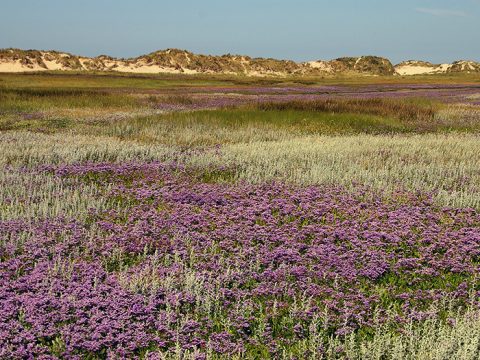
Langli was a pillar of support for the fishermen from Hjerting in the 16th century. However, the fisheries declined in the following period. Langli became an island in the flood disaster of 1634.
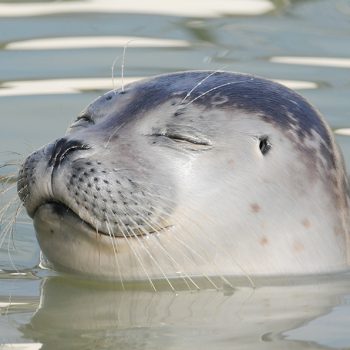
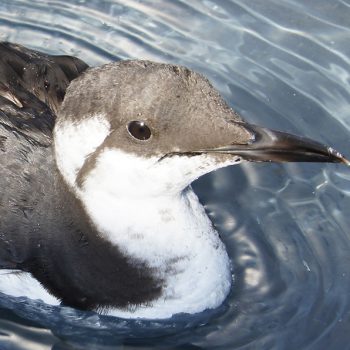
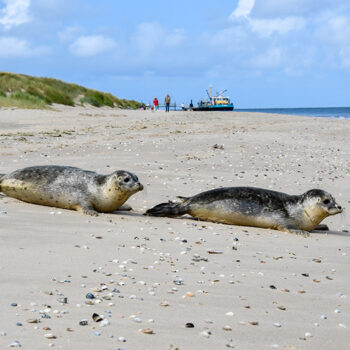
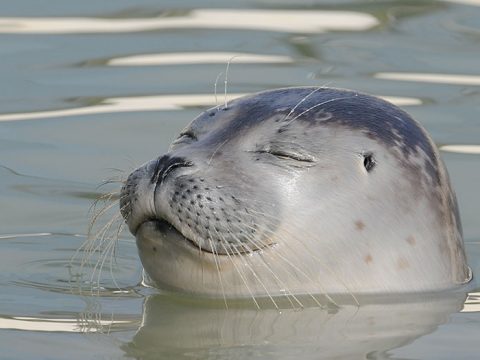
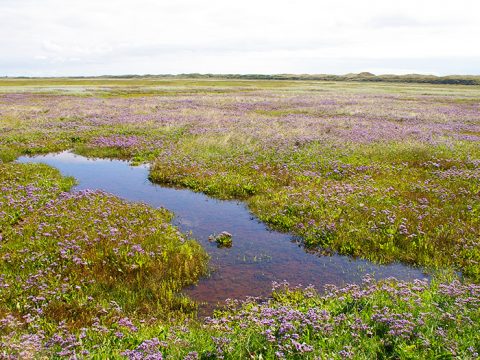
Up till the 19th century, the island served as common grazing ground, where cattle and sheep roamed. Langli was recolonized with people afterwards. Around 1900, it was inhabited by 5 families (around 30 people). The sheep grazed in the dunes. Hay was harvested and cows grazed on the clay ground-based meadows in the north and south. Furthermore, the residents hunted seals and birds, fish with fykes and lines and gathered wood that washed ashore, serving as fuel and building material. The fisheries in particular was the major source of income.
In 1911, the low dikes of Langli broke through during a heavy storm. In 1913, the island was sold and the residents moved away. In 1982, Langli was bought by the Danish Ministry for Environmental Affairs.