Content on this page requires a newer version of Adobe Flash Player.

Get Adobe Flash player


Search in the Encyclopedia

Dieren en planten

Water en land

Dutch wadden region   Den Helder and vicinity   Balgzand   Grafelijkheids Dunes   

Mens en Milieu

Den Helder and vicinity

number of residents:

57,500

main village:

Den Helder

total surface area:

179 square kilometers

surface area water:

134 square kilometers

surface area land:

45 square kilometers

important sources of income:

Navy harbour, services, industry, tourism, fisheries

unusual flora:

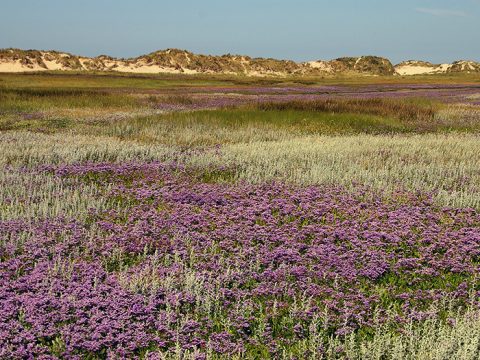
seakale

unusual landscapes:

tallest lighthouse in the Netherlands, fortresses, navy pier

Lighthouse in Den Helder, Ecomare

Den Helder and vicinity

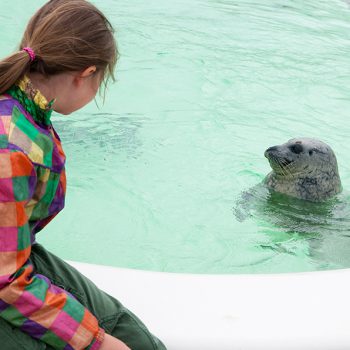
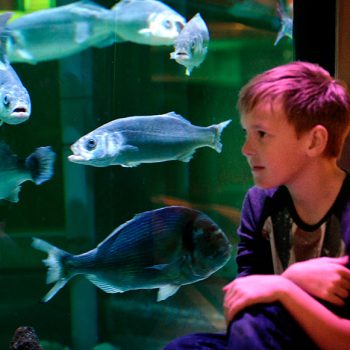
Den Helder lies on the border between the wadden region in the east and the Holland coast in the west. Unusual nature areas in the area include the Balgzand and the 'Grafelijkheidsduinen'. Den Helder has a visitors center and nature and environmental educational center 'The Groene Poolster'. The is also a marine aquarium in Fort Kijkduin.

  • Northern Gibraltar

    Den Helder used to lie in the shadow of Huisduinen, which was a prosperous whaling village far into the 17th century. Around four hundred years ago (when the Heersdiep filled in), Huisduinen was an island. Under the island lay another island called 't Oghe that measured thirten by nine kilometers around 1300. At the end of the 18th century, Napoleon realized the strategic importance of the northern tip of North-Holland. He called it the 'Gilbraltar of the North' and had a number of forts built as defence line.

  • Traffic jams

    The traffic jams to and from Texel has been a source of bothers and problems in Den Helder. Long traffic jams form on busy days. In 2006, it became clear that the PKB Wadden Sea directive would allow the ferry port in Den Helder to be moved to a place that would cause fewer jams. However, a eventual construction along the Balgzand must satisfy the European Bird and Habitat Directive. The harbour may not be build at the cost of nature, and if that is the case, then nature must be created elsewhere as compensation.