Content on this page requires a newer version of Adobe Flash Player.

Get Adobe Flash player


Search in the Encyclopedia

Dieren en planten

Water en land

Nature areas   Dollard   

Mens en Milieu

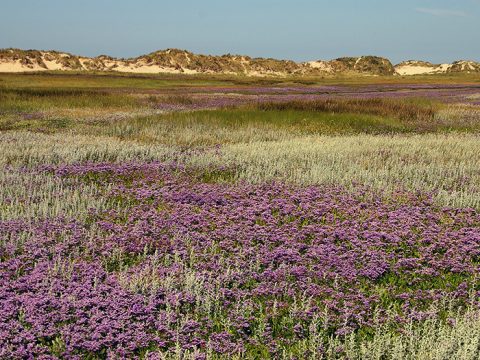
Dollard, Photo one96five, via www.flickr.com

Dollard

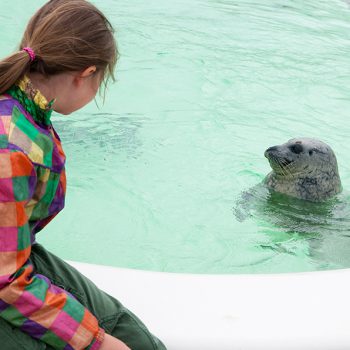
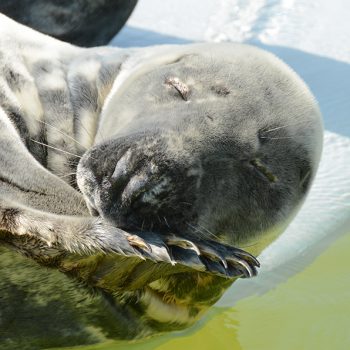
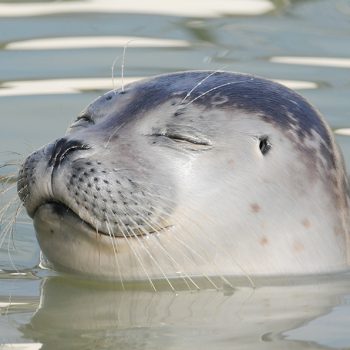
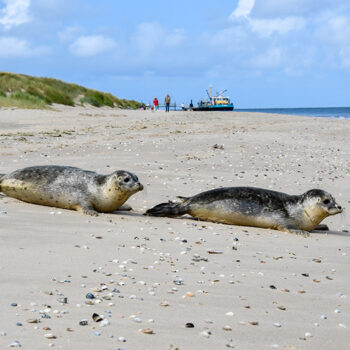
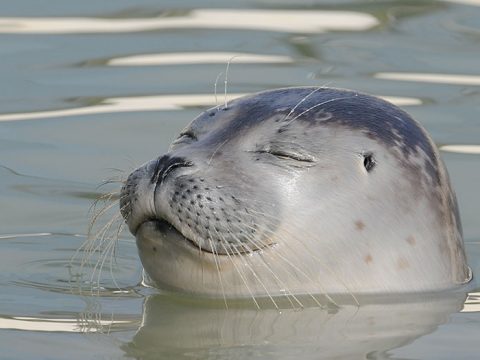
Land loss and land accretion, two appropriate conceptions that have been taking place for centuries in the most northeastern part of the Netherlands. A peat bog with villages was found here up till the Middle Ages. Then, storm floods destroyed the land and the Dollard was formed. It is now a unique brackish water area with characteristic marshes. The Dollard is also an important hauling out ground for seals.

  • Left in peace
    Eems region before the flood, Wigbold Wierenga

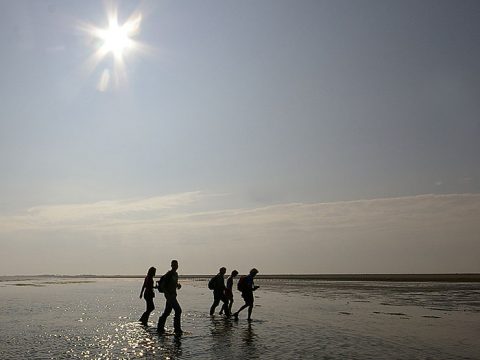
    After the Dollard evolved, one tried to reclaim the land again from the sea. Little by little, more pieces of land were impoldered without our forefathers realizing that they were making fertile agricultural land from unique pieces of nature. These impolderings are over and done with. Other economic situations in the agriculture and new ideas concerning nature management have made the region into what it now is: a brackish salt marsh and tidal region with a selection of rare plants and birds. It is certainly a very vulnerable region because it can only exist as long as man leaves it alone as much as possible. This is also the reason why one may only 'hike' in the Dollard on a very limited basis.

  • Excursions and bird viewing huts
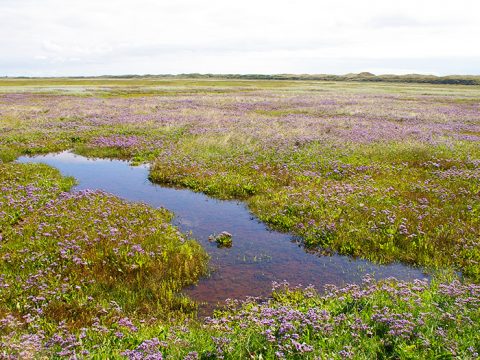
    Flora of the Dollard, Foto Fitis, www.fotofitis.nl

    Nevertheless, there are countless possibilities to see the avocets, birds of prey, salicorn, sea aster and the brass buttons from close by, to name just a few of the biological highlights. The Groninger Landschap organizes boat excursions a few times per year from Termunterzijl, whereby both the mud flats and the salt marshes are visited. One eventually ends up in the Nieuwe Statenzijl on the border of the Netherlands.
    There is a bird watcher's hut, the 'Kiekkaaste' here, where one can observe undisturbed the birds on the marshes and mud flats, be it in the Netherlands or Germany where they are foraging. Nieuwe Statenzijl is a very interesting places, where bicyclists and hikers can cross the border to see the German part of the Dollard.

  • Fish

    In 1999, Rijkswaterstaat and the Groninger Landschap commissioned a long-range fisheries study of the fish population, fish migration and nursery function of the Dollard for flatfish. The purpose of the research is to get more insight into the species richness, the fish migration and the influence of changes in the Dollard estuary (such as the dam in the Ems) on the first two subjects.

  • A flood-control dam in the Ems

    Coastal defence is the official argument, however the big motor behind the plan is the shipping wharf Meyer in Papenburg, which is located higher upstream. This wharf builds large sea-going ships and wants to build bigger ones, which means the Ems must be deepened. This deepening without the flood-control dam is already taking place and has led to a lot of damage to the dikes and villages along the Ems. The dam would make further dredging redundant. Building the dam is budgeted at 180 billion euros.
    The current velocity increased and the clarity and oxygen level declined in 2000 due to dredging. Consequently, the fish population dropped tremendously, particularly eel and flounder. Practically all of the professional fishermen in the region must go to Borkum or further into the North Sea to catch fish.
    Dutch and German officials have agreed that the Emssperrwerk can be used a maximum of 3 times a year to release new large ships. However, the shipbuilding wharf Meyer has already indicated that it will want to release every ship a multiple number of times for testing and control.