Content on this page requires a newer version of Adobe Flash Player.

Get Adobe Flash player


Search in the Encyclopedia

Dieren en planten

Water en land

Nature on Terschelling   Koegelwieck   

Mens en Milieu

Horseback riders in the Koegelwieck, Jan Pieter Kok

Koegelwieck

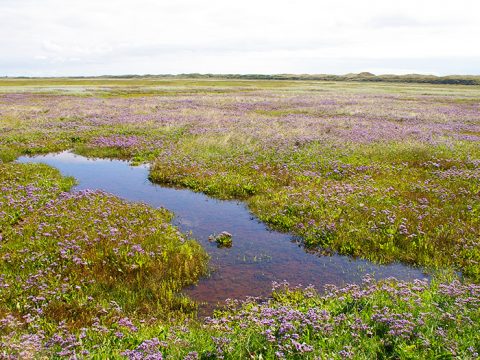
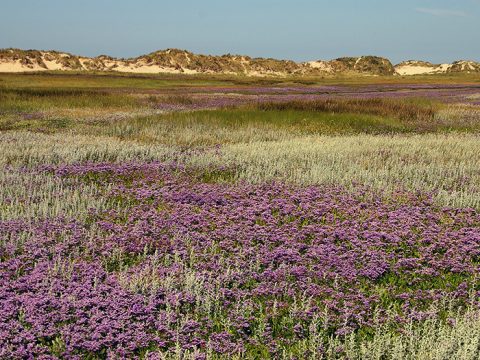
The nature area the Koegelwieck forms the largest secondary dune valley on Terschelling, containing walking dune plains and 'pôllen' (sand humps). The Koegelwieck contains various dune fields and cranberries in the heath fields.

  • Dune valley

    The Koegelwieck was formed over dozens of years during the major drift-sand period in the 19th century. A large dune in the area has given the whole area its name: the twenty-meter high Koegelwieck Dune on the east side by the Hoornse Woods. During the bare conditions in the 19th century, it has moved south by more than a kilometer. Leftover remains of dunes from wind-blown drifting in the form of pôllen are found on the Koegelwieck plains.
    The 250 hectare large area was designated as a nature monument in 1924 due to its immense richness in plants. This is why there is no Liesinger or Lieser Woods. The region lies north of Lies and begins along the inner side of the dunes by the bicycle path.