Content on this page requires a newer version of Adobe Flash Player.

Get Adobe Flash player


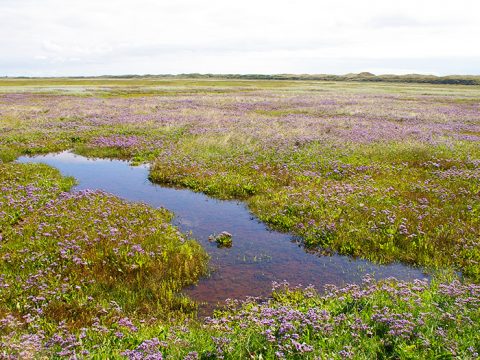
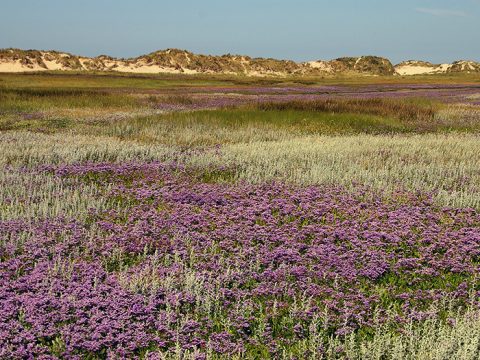
Noorderhaaks, foto fitis, sytske dijksen

Noorderhaaks (Razende Bol)

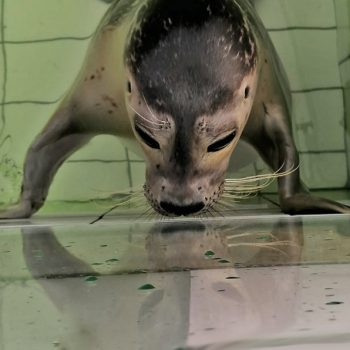
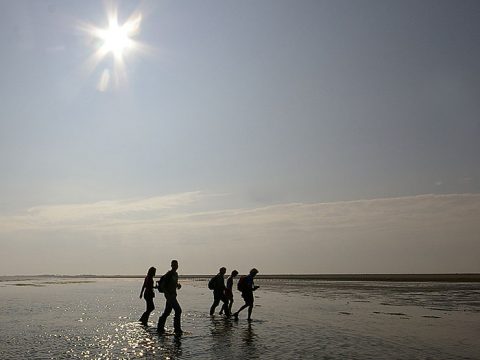
The sandbank Noorderhaaks lies in the North Sea, directly west of the Marsdiep. The high parts of the bank only flood during heavy storms. Noorderhaaks falls under territory belonging to the town of Texel. Texelaars (the people of Texel) usually refer to this sandbank as the 'Razende Bol'. It is a popular destination for a boat trip departing from Den Helder or Oudeschild. The Razende Bol can be very busy on a warm day. Not only people visit the Razende Bol. Seabirds and seals resort to it for peace and quiet. Since 2006, the western part of the sandbank has been closed to the public, particularly for the sake of the 120 grey seals that rest there.

  • A dynamic piece of the Netherlands
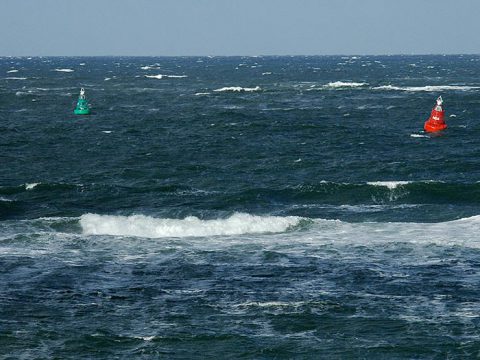
    Molengat (left), foto fitis, sytske dijksen

    The Razende Bol has been left untouched by man. Peole have never intervened, which is quite exceptional for Dutch circumstances. The sandbank formed by water flowing out of the Wadden Sea during low tide and running into the rising tide in the North Sea. The two currents neutralized each other allowing the sand to settle to the bottom.
    These kinds of sandbanks are always in motion. A century ago, there was a different sandbank lying where now the Razende Bol lies, 'Onrust'. Onrust attached onto Texel in the beginning of the 20th century. The Razende Bol moves in a northeasterly direction at a rate of around 100 meters per year. However it is still uncertain whether it will actually attach onto the island. The current in the Molengat, the channel between the Razende Bol and Texel, is still extremely strong and the distance between the bank and the island has not decreased in recent years. It seems more like the Bol will expand in a northerly direction along the coast of Texel.
    The Molengat channel is around 650 wide. Only boats with a shallow draught can pass through the Molengat.

  • Significance as nature area
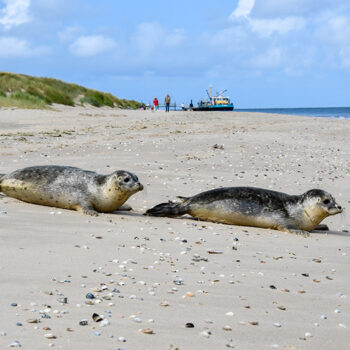
    seals on Noorderhaaks, foto fitis, sytske dijksen

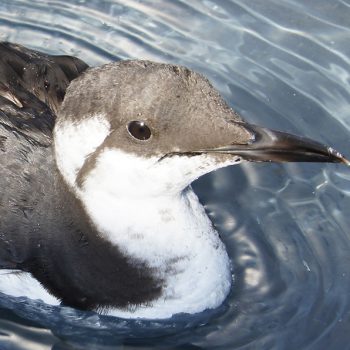
    The Razende Bol is an importanthigh-tide refuge for birds. Particularly species that are sensitive to disturbance from human activities can find refuge here.
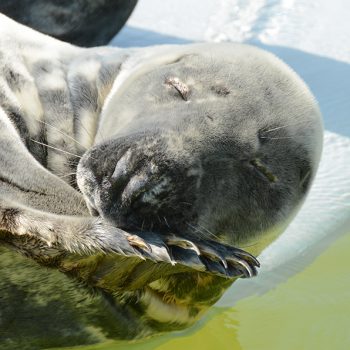
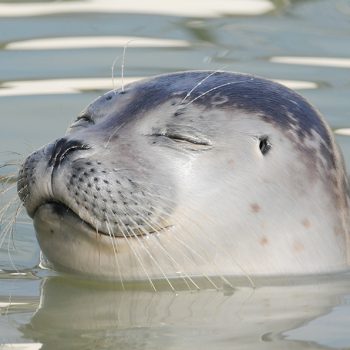
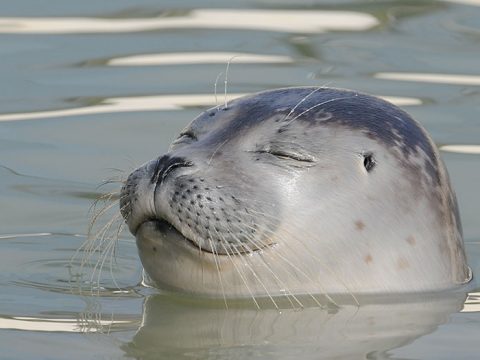
    Even grey seals often seek a place to rest on the bank. In 1994, the first eight seals were counted. The group grew to an average of 40 to 50 seals in 2003. And in 2010, the number of seals resting on the sandbank approached 200. In the meantime, the group is a mixture of grey and harbour seals. The first young grey seal was born on the sandbank in 2003. From then on, the number of pups born on the Razende Bol has been increasing.
    In 2004, little terns were found making nests on the sandbank for the first time. They have continued to make nests there every year since then. However in 2010, all of the little terns were back nesting on the Hors. Little terns are known for their whimsical nesting habits, so this is not that strange or alarming.