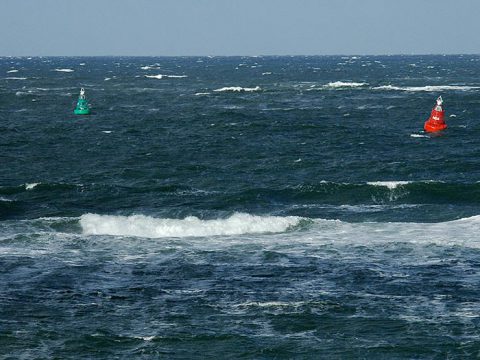
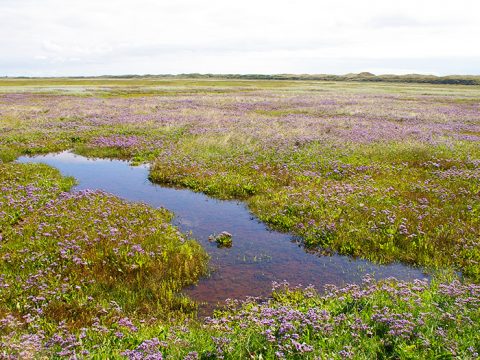
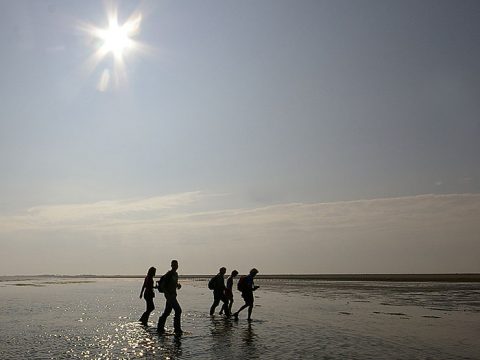
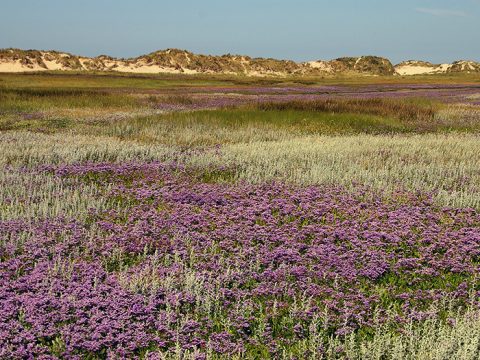
The Wadden Sea is a nutrient-rich area thanks to the influence of the tide. Nutrient-rich areas are usually also rich in plants and animals. However in the Wadden Sea, there are not all that many different species of plants and animals. The tide is also partially responsible. Ebb and flood are are the reason that the Wadden Sea totally changes in appearance twice a day. Every few hours, the mud-flats are either exposed or flooded. Species that live here have to deal with these extreme circumstances. The water disappears, the temperature changes and the oxygen and salt levels are constantly varying. As plant or animal, you have to be able to withstand all these things!
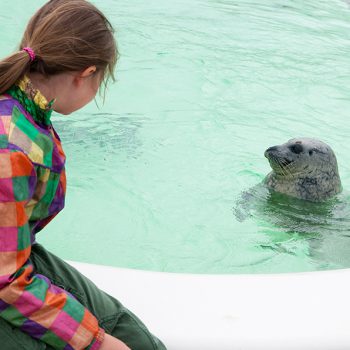
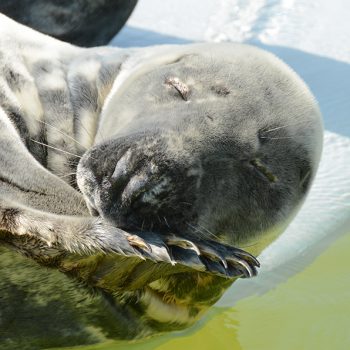
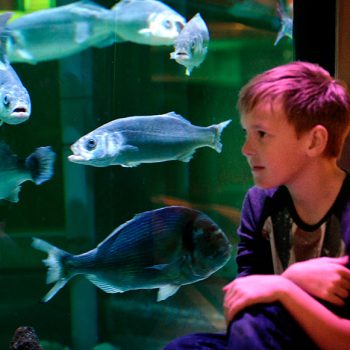
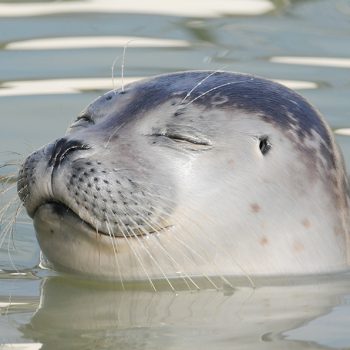
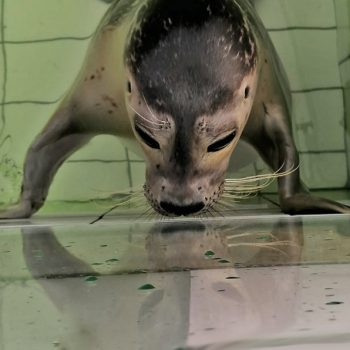
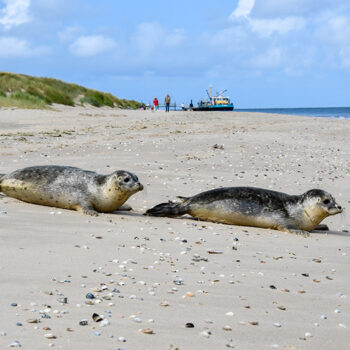
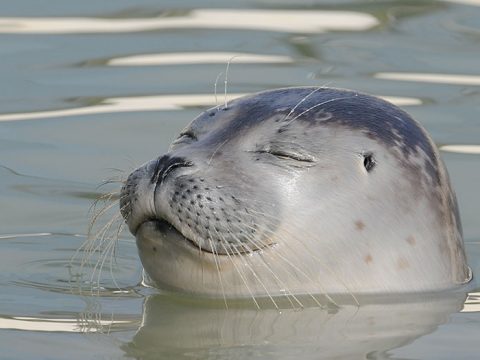
Nevertheless, you do find a lot of plants and animals in and around the Wadden Sea, even though the amount of species is limited. The most well known animals are the seals, of course. They don't just use the Wadden Sea to look for food; they also use it as a nursery. Many young seals are born on the sandbanks in the Wadden Sea. There are also a lot of fish from the North Sea that migrate to the Wadden Sea after birth, for example, sole and plaice.
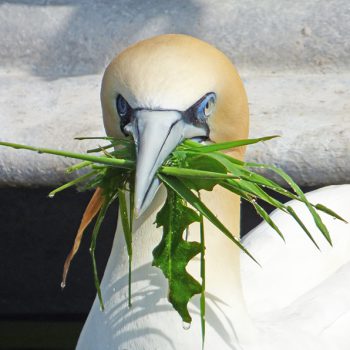
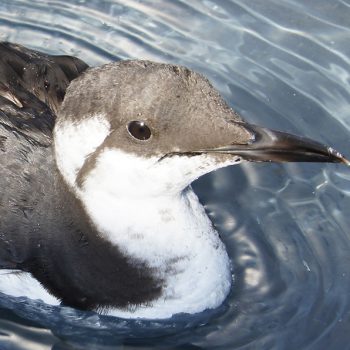
It is a busy place on and around the tidal banks that lay exposed during ebb, whether or not they are made up of shells, mud or sand. They are not called the coral reefs of the Wadden Sea for nothing! Lots of plants and animals are found here, such as plankton, worms, shrimp, crabs and fish. Many of the birds are dependant upon these large amounts. More than 12 million of these feathery friends make use of the Wadden Sea. Tens of thousands of them are migrating birds. Twice a year, they forage for food in the muddy tidal flats in order to gain sufficient strength for a long journey.
Should the Wadden Sea run into problems, than the birds also run into problems. Momentarily, the amount of shellfish in the Wadden Sea is declining. That has consequences for shellfish-consuming birds, such as knots and eiders.